
- silver-ridge
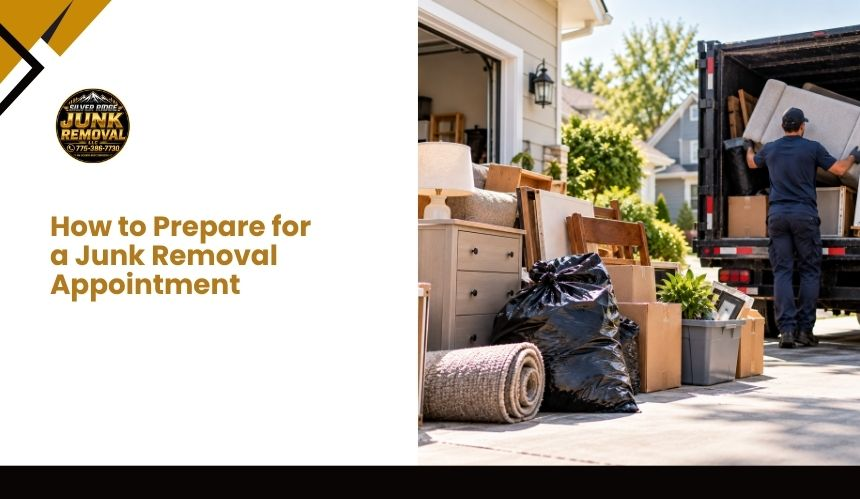
How to Prepare for a Junk Removal Appointment
Preparing for a junk removal appointment can prevent delays, unexpected charges, access problems, and confusion about which items should be taken. A well-organized property also allows the removal crew to assess the load accurately and move bulky or unwanted items more efficiently.
The preparation process involves more than simply gathering junk in one place. Access conditions, item type, removal volume, safety risks, and service requirements can all affect how smoothly the pickup is completed. This guide explains how to prepare for a junk removal appointment so the process is safer, faster, and easier to manage.
Decide Exactly What Will Be Removed Before the Crew Arrives
Clear item separation reduces uncertainty once the removal team reaches the property. Knowing what stays, what goes, and what may need special handling allows the crew to assess the job before loading begins.
Clear item separation reduces uncertainty once the removal team reaches the property. Knowing what stays, what goes, and what may need special handling allows the crew to assess the job before loading begins.
Did You Know? Separating unwanted items before the appointment can make on-site volume estimates more accurate because the crew can quickly identify the actual load instead of sorting through mixed belongings first.
Create a Clear Keep, Remove, and Undecided System
Separate unwanted items from belongings that will remain on the property. Use designated areas, labels, or clearly defined piles in garages, basements, attics, and storage rooms where usable possessions may be mixed with junk.
Keep undecided belongings outside the removal pile until a final decision is made. This reduces the risk of sentimental, valuable, reusable, or essential household items being removed accidentally.
Group Smaller Junk and Loose Items Together
Consolidate loose household junk into boxes, bags, containers, or organized piles when practical. Grouping smaller objects reduces the number of individual pickups and makes scattered items easier for the crew to identify and transport.
Avoid making containers excessively heavy, especially when packing books, tiles, metal, or dense renovation debris. Dividing heavy materials into manageable loads lowers lifting difficulty and reduces the risk of bags or boxes breaking during removal.
Confirm Whether Unusual Items Can Be Accepted
Junk removal companies may have restrictions on appliances, electronics, mattresses, construction materials, yard waste, paint, chemicals, fuel, and similar items. Acceptance often depends on disposal regulations, recycling options, and transportation requirements.
Confirm questionable materials with the provider before pickup day. Advance verification prevents rejected items from remaining at the property and gives you time to arrange an appropriate hazardous waste or specialty disposal service when necessary.
Prepare Safe and Direct Access to the Junk
The route between the unwanted items and the truck directly affects loading efficiency and worker safety. Clear access is particularly important when crews must carry heavy furniture, appliances, or bulky materials through confined spaces.
Important: Keep the entire carrying path free of last-minute obstacles, including parked vehicles, loose cords, wet surfaces, and unsecured rugs. Even a small obstruction can force the crew to change the removal route, increase handling time, or raise the risk of injury and property damage.
Clear Hallways, Doorways, Stairs, and Walking Paths
Remove shoes, cords, rugs, toys, boxes, decorations, and other obstacles from the carrying route. Narrow or obstructed paths make it harder to maneuver large items and increase the likelihood of trips, collisions, or contact with walls and fixtures.
Check whether oversized furniture can fit through doorways, staircases, and tight corners. If clearance is limited, the crew may need to dismantle the item or use a different removal route, which can affect the time and labor required.
Prepare Elevators, Gates, Garages, and Building Access
Unlock garages, sheds, storage units, gates, and other areas containing junk before the scheduled arrival. If the property has controlled entry, provide access codes or instructions so the crew can reach the removal area without unnecessary delays.
Apartment and condominium residents should also check building rules involving service elevators, designated moving hours, loading areas, or insurance requirements. Arranging these details in advance prevents building access policies from interrupting the appointment.
Make the Parking and Loading Area Accessible
Provide the removal truck with the closest practical loading position by clearing the driveway or another permitted parking area. Shorter carrying distances reduce handling time, particularly when the job includes appliances, heavy furniture, or large quantities of debris.
If the property is located on a narrow street, inside a gated community, or near restricted parking, tell the company before arrival. The crew can then account for access limitations when planning the vehicle position and removal process.
Handle Items That Need Special Preparation
Some items cannot be removed safely without additional preparation. Emptying, disconnecting, or identifying difficult items in advance helps prevent delays once loading begins.
Empty Furniture, Cabinets, Appliances, and Containers
Remove belongings from desks, dressers, cabinets, wardrobes, bins, and similar storage items. Check drawers, shelves, pockets, and hidden compartments for documents, jewelry, electronics, keys, or other possessions that could otherwise leave with the unwanted item.
Refrigerators and freezers should be emptied of food and loose contents, while removable trays or racks may need to be secured. Empty items are generally lighter, easier to inspect, and safer for crews to carry through the property.
Disconnect Appliances and Equipment When Required
Appliances connected to electricity, water, or gas may need to be disconnected before removal. Washing machines, dishwashers, refrigerators with water lines, gas dryers, and built-in equipment can require preparation beyond simply unplugging the unit.
Ask whether the junk removal company handles utility disconnections because service policies vary. Gas connections, hardwired electrical systems, and complex plumbing should be addressed by an appropriately qualified professional when necessary.
Identify Heavy, Oversized, or Difficult-to-Move Items
Tell the provider in advance about pianos, safes, hot tubs, exercise machines, large sectionals, and dense construction materials. These items may require additional workers, lifting equipment, dismantling tools, or a specific removal method.
Providing accurate item details also supports better scheduling and cost estimates. An oversized object discovered only after arrival can change labor requirements, truck capacity, or whether the crew can safely complete the removal.
Confirm the Appointment Details and Expected Pricing

Appointment verification reduces misunderstandings about timing, job scope, truck space, and cost. Review the service details before pickup so changes can be addressed before the crew arrives.
Pro Tip: Reconfirm the appointment details 24 to 48 hours before pickup, especially if the junk volume, item list, access conditions, or parking situation has changed. Early updates help the company allocate the right truck capacity, labor, and time for the job.
Review the Pickup Window and Contact Information
Confirm the service date, arrival window, property address, and preferred contact number. Provide gate codes, parking instructions, building entry procedures, or directions to detached garages and storage areas when applicable.
If another person will meet the crew, make sure they understand which items are being removed and can approve the work. Clear authorization prevents delays when questions arise about the removal scope or final pricing.
Make Sure the Estimated Junk Volume Is Still Accurate
The amount of junk can influence truck space, labor, disposal requirements, and final pricing. If additional furniture, appliances, renovation debris, or bulky items have been added since booking, notify the company before the appointment.
The same applies if the load has become substantially smaller. Updating the provider gives the crew a more accurate picture of the job and reduces the likelihood of unexpected changes to the estimate or required vehicle capacity.
Ask What Is Included in the Junk Removal Service
Confirm whether the quoted service includes carry-out labor, loading, transportation, disposal fees, recycling, donation handling, or basic cleanup. Providers structure pricing differently, so the initial estimate may not cover every material or service.
Ask specifically about surcharges for mattresses, refrigerant-containing appliances, unusually heavy debris, or specialty items. Understanding these conditions before loading begins makes the final bill easier to evaluate against the agreed service scope.
Prepare the Property for Removal Day
The property should remain safe and accessible while items are carried between interior spaces and the truck. Controlling people, fragile objects, and environmental hazards reduces preventable interruptions.
Keep Children and Pets Away From Removal Areas
Junk removal involves moving trucks, open doors, heavy lifting, and repeated traffic through hallways and driveways. Keep children outside active work zones so they do not unexpectedly enter the crew’s carrying path.
Secure pets in a closed room, enclosure, or separate area until the removal is complete. This prevents animals from escaping through open doors and keeps workers from having to navigate around pets while carrying bulky items.
Protect Areas That Could Be Damaged During Removal
Move artwork, lamps, decorations, and other fragile objects away from narrow hallways and doorways. Additional clearance gives crews more space to rotate furniture and maneuver large appliances without contacting nearby belongings.
Point out delicate flooring, stair railings, glass doors, landscaping, or recently finished surfaces before work starts. Awareness of vulnerable areas allows the crew to adjust the carrying route or handling method where practical.
Account for Weather and Outdoor Conditions
Rain, mud, standing water, ice, and other outdoor conditions can make carrying routes slippery or unstable. Keep sidewalks, driveways, decks, and access paths as clear as possible before the crew begins moving items.
Protect outdoor junk that may absorb water or become difficult to handle when wet. Weather preparation is especially relevant for jobs involving lawns, slopes, unpaved areas, or materials that become substantially heavier after exposure to moisture.
Do a Final Walkthrough Before and After the Junk Removal
The property should remain safe and accessible while items are carried between interior spaces and the truck. Controlling people, fragile objects, and environmental hazards reduces preventable interruptions.
Check Every Removal Area Before Loading Begins
Walk through all spaces included in the appointment, such as garages, attics, basements, bedrooms, sheds, storage areas, and outdoor zones. Look for unwanted items that may have been overlooked during the initial sorting process.
Completing this inspection before loading begins prevents repeated trips into areas that were considered finished. It also gives you one final opportunity to adjust the removal pile before the crew starts transporting items.
Point Out Anything That Must Not Be Removed
Identify belongings positioned near the junk that need to remain on the property. Physical separation is preferable when possible because items stored together can be difficult to distinguish during a fast-moving removal job.
Clearly communicate exceptions before loading begins, particularly when similar furniture, tools, boxes, or equipment are located in the same area. This reduces ambiguity and lowers the risk of an item being taken unintentionally.
Review the Space After Removal Is Complete
Inspect the property before the crew leaves and confirm that all designated junk has been removed. Check garages, storage spaces, outdoor areas, and other locations included in the service so overlooked items can be addressed immediately.
Verify that belongings intended to remain are still present and review any service commitments such as basic cleanup. A final walkthrough ensures the completed job matches the agreed removal scope before the appointment is closed.
Preparing for a junk removal appointment is primarily about controlling what will be removed, how the crew will access it, and whether any belongings require special handling. Clear sorting, safe access, accurate service details, and a final inspection make the pickup more predictable from arrival through final loading.
Frequently Asked Questions
How far in advance should I book a junk removal appointment?
Booking several days to a week ahead is usually practical, especially for large cleanouts, estate clearing, renovation debris, or weekend appointments. Availability can tighten during moving seasons and after major storms. More lead time also gives the company a better chance to assign the appropriate truck size and crew.
Do I need to be home during the junk removal appointment?
Some companies allow curbside or contactless junk pickup when items are accessible and clearly identified, while others require an authorized adult on site. Being present is useful when pricing depends on final volume or when removal decisions may change. Confirm the provider’s policy before assuming unattended service is available.
Should I tip a junk removal crew?
Tipping is generally optional rather than required. Customers may choose to tip when a crew handles unusually heavy items, difficult stairs, long carrying distances, or challenging weather conditions. If gratuity is appropriate, it can usually be given directly to the crew, but company policies and local customs may vary.
What happens to my junk after it is hauled away?
The destination depends on the material and the provider’s disposal network. Reusable furniture may go to donation centers, metals and electronics may enter recycling streams, while non-recoverable waste may be taken to transfer stations or landfills. Ask whether the company separates recyclable, reusable, and disposal-bound materials.
Can junk removal companies take items from inside my house?
Full-service junk removal commonly includes carrying unwanted items from interior areas such as bedrooms, basements, garages, attics, and storage spaces. Access conditions can affect whether removal is practical, particularly with narrow stairs or oversized items. Confirm whether indoor carry-out labor is included in the quoted service rather than assuming curbside-only pickup.
Is junk removal cheaper if I move everything to the curb myself?
Curbside staging can sometimes reduce labor requirements, but it does not automatically guarantee a lower price. Many providers price primarily by truck volume, item type, weight, or disposal cost. Moving items outside may help when labor is billed separately, so ask how the company structures its junk hauling rates before doing extra work.